Call Now
Artificial Turf Recycling

Artificial Turf Recycling in Grapevine, TX

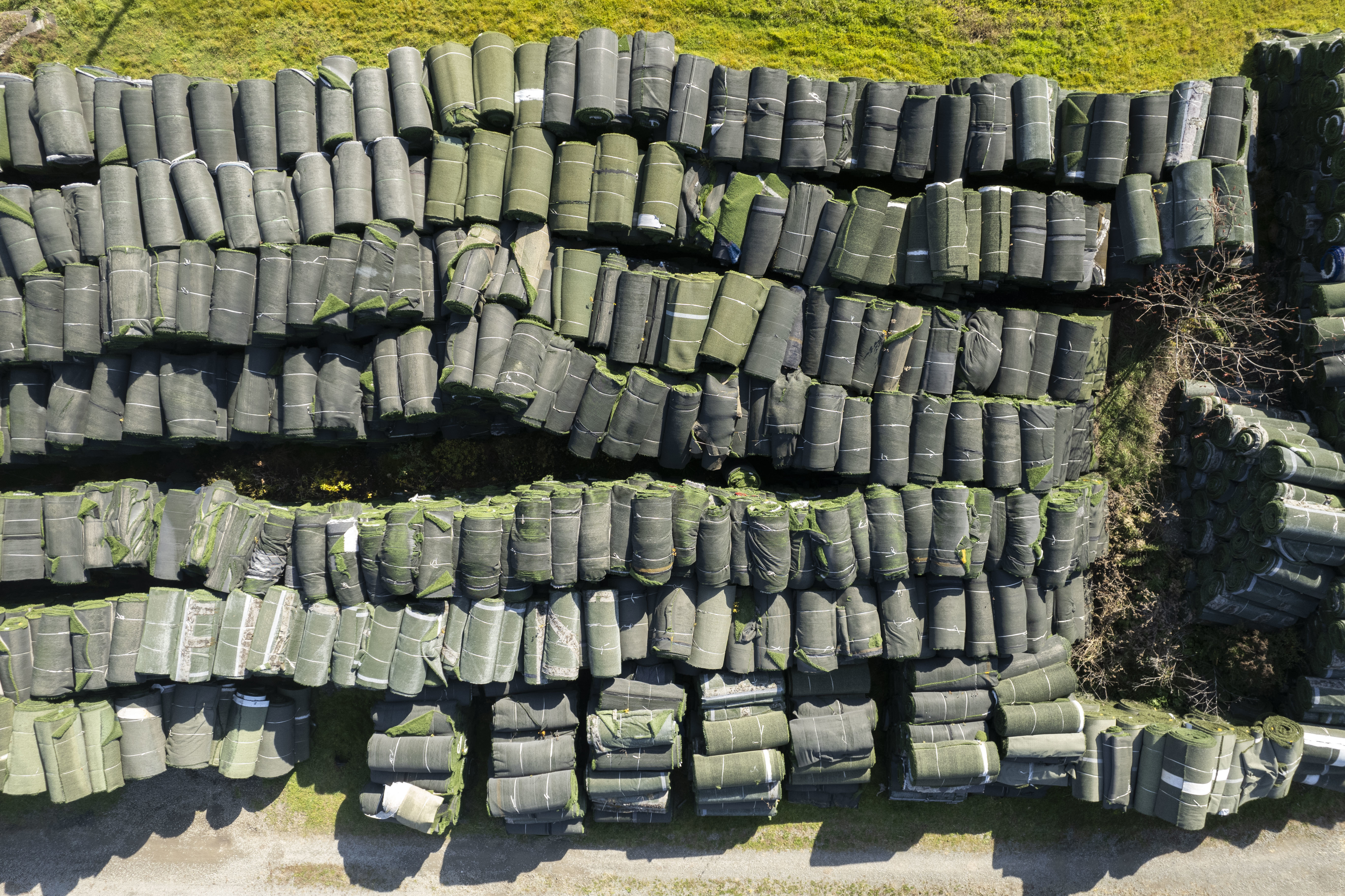
When synthetic turf reaches the end of its service life in Grapevine, the environmentally responsible option is recycling rather than landfill. Artificial Turf of Grapevine coordinates responsible disposal and recycling for end-of-life synthetic turf from residential, commercial, and event venue installations throughout the north Tarrant corridor.

Why Choose This Service

  • Alignment with Grapevine's Sustainability Values: The wine-country, hospitality, and tourism character of Grapevine supports sustainability-oriented business and property practices. Responsible turf disposal is a consistent choice with those values.
  • Diversion from Landfill: Synthetic materials that go to landfill contribute long-term waste accumulation. Recycling pathways convert those materials into raw inputs for manufacturing rather than permanent waste volume.
  • Commercial Property Environmental Credibility: For Grapevine's tasting rooms, boutique lodging operators, and event venues, documented responsible disposal practices are part of a credible sustainability story for guests and clients.
  • Coordinated with Removal and Replacement: When recycling is coordinated with the replacement installation, it adds no logistical burden to the property owner—the removed material is handled appropriately as part of the project workflow.
  • Reduction in Raw Material Demand: Recycled synthetic turf components reduce the demand for virgin raw materials in manufacturing—a meaningful environmental benefit at the aggregate scale of North Texas's growing synthetic turf market.
  • Documentation of Responsible Disposal: For properties that track environmental impact, we provide documentation of material weight and disposal method—useful for sustainability reporting and environmental certification processes.

Responsible End-of-Life Handling for Grapevine Synthetic Turf

Synthetic turf has a service life—typically fifteen to twenty years for a well-installed residential system and somewhat shorter for high-traffic commercial applications. When that service life ends and the turf needs to be replaced, the material question is what happens to the removed system. Synthetic turf components—polyethylene and polypropylene fibers, backing materials, and infill—are synthetic materials that persist in landfills for extended periods. The recycling path exists and is the better option where viable.

Grapevine's wine-country and hospitality community has a stronger-than-average orientation toward sustainable and responsible practices. Vineyard operations, boutique lodging properties, and the event venue ecosystem that defines much of Grapevine's character have commercial reasons to pursue sustainable disposal alongside whatever personal values their owners bring to those decisions.

The recycling path for synthetic turf involves separation of material types—turf fibers, backing, and infill—and routing each to the appropriate processing facility. Polyethylene and polypropylene fibers can be processed into raw material for manufacturing. Rubber infill from older systems can be processed for reuse in athletic surface applications. Sand infill can be cleaned and reused. Not every material combination in every product is fully recyclable through every available stream, but the effort to maximize recycling and minimize landfill is the correct approach.

Artificial Turf of Grapevine coordinates recycling as part of our removal and replacement service. When we remove existing turf as part of a replacement installation, we handle material separation and routing appropriately rather than defaulting to landfill. We also accept turf from installations we did not originally install when property owners are seeking responsible disposal outside of a replacement project context.

Our Recycling Process

1. Material Assessment

We evaluate the existing turf product type, infill composition, and backing material to determine which recycling streams are applicable and what proportion of the system can be diverted from landfill.

2. Removal and Collection

The turf system is removed from the property and collected for transport. Material separation begins during removal where practical.

3. Material Separation

At the processing facility, turf fibers, backing, and infill are separated by material type. Each stream is handled according to the applicable recycling pathway.

4. Routing to Recycling Facilities

Separated material streams are delivered to recycling facilities appropriate to each material type. Polyethylene fibers, backing materials, and infill go to different processing destinations.

Frequently Asked Questions

Is recycling included when I replace my Grapevine turf through Artificial Turf of Grapevine?

Responsible material handling is part of our removal process. The specific recycling pathway depends on the product removed—we assess the material composition and route recyclable streams appropriately.

Can you recycle turf installed by another company?

Yes. We handle recycling for turf installations regardless of who originally installed them. We assess the material and handle disposal appropriately.

Is all synthetic turf recyclable?

Not all products are fully recyclable through every stream. Material composition—particularly the backing type and infill combination—affects what recycling pathways are available. We assess your specific product and maximize the recycled proportion.

Can you provide documentation of recycling for a Grapevine hospitality or commercial property?

Yes. For commercial and hospitality properties that track environmental impact, we provide documentation of material weight processed and disposal method.

What is the additional cost for recycling versus landfill disposal?

The cost comparison depends on the material and the current recycling market for that material type. We discuss disposal options and pricing transparently during the project estimate.